Fixed vs. Removable Implant Supported Dentures
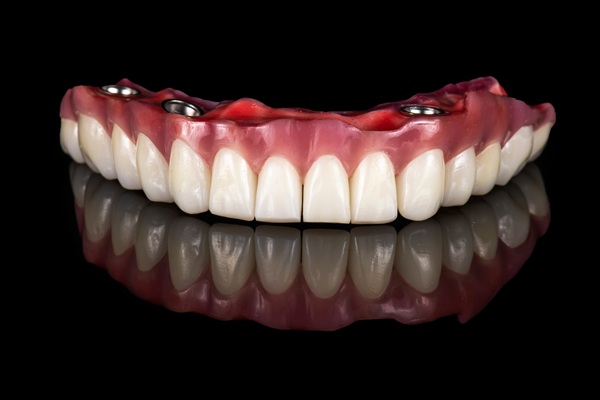
For patients missing most or all of their teeth, implant-supported dentures provide a stable, natural-looking way to restore a full smile. This approach anchors a custom denture to dental implants placed in the jawbone for improved support. Within this category, patients often choose between fixed and removable designs. Understanding how each option works helps patients and a general, family, or cosmetic dentist create the right treatment plan.
What are implant-supported dentures?
Implant-supported dentures combine multiple dental implants with a full-arch denture. The implants act as artificial tooth roots, and the denture attaches to them through specialized connectors. Since the denture connects to implants rather than resting only on the gums, stability, comfort, and chewing power improve significantly. This design also helps stimulate the jawbone and reduce the bone loss that often follows tooth loss.
Fixes implant-supported dentures
Fixed implant-supported dentures stay in place at all times and only come out during professional visits. A full-arch bridge secures to several implants using screws, dental adhesives, or other fixed attachments. Patients brush these restorations much like natural teeth and use floss aids or water flossers to clean underneath. This option creates a strong, permanent-feeling solution that does not move while speaking or eating.
The main advantages include excellent stability, a very natural sensation, and no need to remove the denture at home. Fixed designs often feel closer to natural teeth than any removable option. However, they typically require more implants per arch and careful planning to allow proper cleaning access. Good manual dexterity and consistent hygiene habits matter for long-term success.
Removable implant-supported dentures
Removable implant-supported dentures, often called overdentures, snap on and off the implants using special attachment systems. The denture stays secure during daily activities but can be removed at home for more thorough cleaning. This design still offers much greater stability than traditional dentures that rely solely on suction or adhesives. It also allows easier access to clean around implants, gums, and the underside of the denture base.
Removable options usually require fewer implants than fixed designs, which may reduce cost and make treatment more accessible. They also allow simple adjustments or relining if the fit changes slightly over time. Some patients appreciate the flexibility of removing the denture at night or for cleaning, while others prefer the always-in-place feel of a fixed restoration.
Choosing between fixed and removable dentures
The best choice between fixed and removable implant-supported dentures depends on several factors. A general dentist will consider each patient's:
- Bone quality and quantity
- Manual dexterity
- Hygiene habits
Budget, aesthetic goals, and lifestyle preferences also play important roles. A fixed option often suits patients who want the closest experience to natural teeth and feel confident with detailed home care. A removable overdenture may work better for patients who want easier cleaning access, fewer implants, or more flexibility.
Schedule a consultation
Both fixed and removable implant-supported dentures provide greater stability than traditional dentures. They support stronger chewing, clearer speech, and greater confidence in social settings. If you are missing teeth and would like to learn which option is most suitable for you, contact Pure Dental of Williamsville.
Request an appointment here: https://puredentalbuffalo.com or call Pure Dental of Williamsville at (716) 328-1411 for an appointment in our Williamsville office.
Check out what others are saying about our dental services on Yelp: Implant Supported Dentures in Williamsville, NY.
Related Posts
All-on-4® can help patients replace a full arch of missing teeth with a stable implant-supported restoration. Patients who explore full-arch tooth replacement may also hear the term All-on-X and wonder whether it means the same thing. Both options can restore chewing function, improve smile appearance, and create a more secure alternative to traditional removable dentures.…
Supporting dentures with implants like All-on-6® is fast becoming a popular option in restorative dentistry. Traditional dentures have been used for decades by patients who have lost several teeth, but they do not always provide the degree of comfort or trust that ensures satisfactory function. Fortunately, advances in dental science and technology have resulted in…
All-on-4 surgery replaces all the teeth in a dental arch with fixed dentures. The dentures are held in place by four implants in the jaw. If the person is missing all their teeth, they will need to have four implants in each jaw.Getting a single dental implant is a process that requires one or more…
Starting treatment with an Invisalign® dentist feels exciting, but it also brings a few new routines. The trays fit snugly over your teeth, apply gentle pressure, and stay in place for most of the day. An Invisalign Dentist can help patients know what to expect, which can make this adjustment period easier.The first few days…