The Average Longevity of Dental Crowns
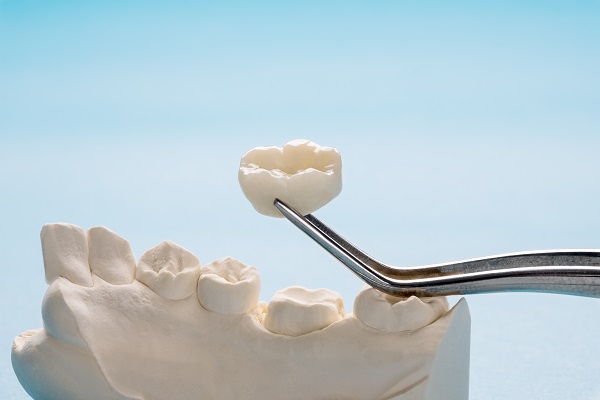
Dental crowns offer more than a cosmetic solution to fixing damaged teeth. They are a long-term investment in your oral health. While crowns are designed to be durable, they are not permanent and may need to be replaced in the future. By understanding the average lifespan of these dental restorations, you can protect your smile and make informed decisions about your long-term dental care.
The average lifespan of dental crowns
The average lifespan of dental crowns is typically 10 to 15 years. However, it can vary depending on the material used to make the crown. Many dental crowns last longer, with some remaining functional for more than twenty years. Their longevity depends on multiple factors, including the patient's oral hygiene habits, bite pressure, and commitment to professional dental care. While crowns are engineered to withstand everyday chewing, they are not indestructible and can wear down over time.
Choosing the right material for long-term durability
Not all dental crowns are created equal. The material used for the restoration directly impacts its "wear and tear" over time. Common materials used for dental crowns include.
- Gold and metal alloys: These are the "marathon runners" of dental crowns. While they are more visible, the metal is resistant to chipping and fractures, making them ideal for high-pressure areas like the back molars.
- Porcelain-fused-to-metal (PFM): PFM crowns provide a balance of functional and cosmetic benefits. While the metal base is sturdy, the porcelain cap can occasionally chip under heavy stress.
- All-ceramic or zirconia: These durable crowns are the gold standard for front teeth because they mimic the translucency of natural enamel. That said, they require precise fitting to ensure their long-term longevity.
The dentist will work with the patient to determine the best material to protect the tooth, based on its location and the patient's overall health.
Why do dental crowns fail?
A dental crown itself cannot decay or get a cavity. However, the tooth underneath it can. If plaque builds up where the crown meets the gumline, bacteria can get underneath the cap. This is why dentists recommend thorough, consistent oral hygiene to help ensure the longevity of their crowns.
Other factors that can shorten a dental crown's long-term stability include:
- Teeth grinding or clenching (bruxism)
- Bad habits, such as chewing on ice or hard candies
- Direct trauma or impact to the crown
- Uneven teeth alignment
- Quality of the crown's preparation and placement
Dentists may recommend protective measures such as night guards to reduce stress on restorations. With bite forces well managed, dental crowns tend to maintain function and appearance for longer.
Signs a crown may need replacement
Even well-maintained crowns eventually require replacement. Common indicators include discomfort, visible cracks, loosening, or gum irritation around the crown. Changes in bite sensation or persistent sensitivity may also signal underlying issues that require professional evaluation.
Protect your investment with a proactive plan
By staying on top of your routine cleanings and addressing wear and tear as soon as possible, you can ensure your dental crown remains a durable, natural-looking part of your smile. Do not wait for a crack or discomfort to protect your dental crown. If you have questions about an existing restoration or are ready to explore your options for a new crown in the Williamsville area, our team at Pure Dental of Williamsville is ready to help. Call us today to schedule your consultation.
Request an appointment here: https://puredentalbuffalo.com or call Pure Dental of Williamsville at (716) 328-1411 for an appointment in our Williamsville office.
Check out what others are saying about our dental services on Yelp: Dental Crowns and Dental Bridges in Williamsville, NY.
Related Posts
A gap in the smile can feel like a major setback for your appearance and confidence. Fortunately, a dental bridge offers a straightforward way to restore your smile. This treatment bridges the gap left by a missing tooth, using the teeth on either side as anchors. The result is a smile that looks natural and…
Starting treatment with an Invisalign® dentist feels exciting, but it also brings a few new routines. The trays fit snugly over your teeth, apply gentle pressure, and stay in place for most of the day. An Invisalign Dentist can help patients know what to expect, which can make this adjustment period easier.The first few days…
All-on-4® can help patients replace a full arch of missing teeth with a stable implant-supported restoration. Patients who explore full-arch tooth replacement may also hear the term All-on-X and wonder whether it means the same thing. Both options can restore chewing function, improve smile appearance, and create a more secure alternative to traditional removable dentures.…
Finding an emergency dentist on short notice provides immense relief when sudden oral pain or an unexpected dental injury disrupts daily routines. From severe toothaches to infections, these abnormal symptoms warrant prompt professional attention to prevent further complications. Therefore, whether you maintain routine appointments or this is your first dental appointment in a while, our…